
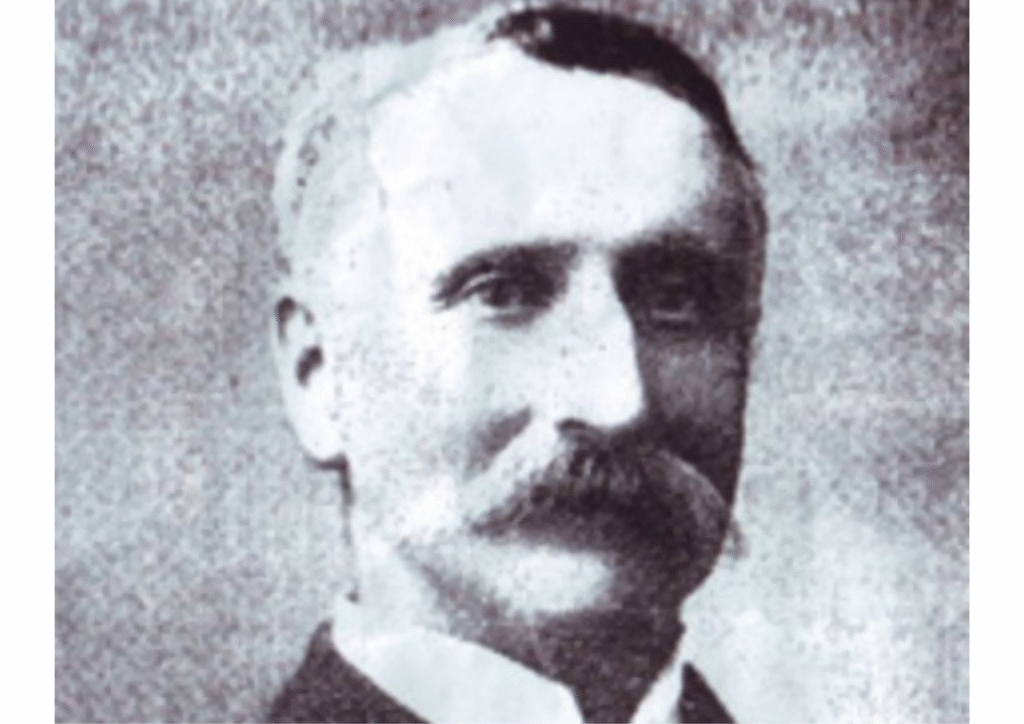
When you cruise down a smooth highway or stroll along a city street, you’re traveling on a legacy built by Edward de Smedt, the Belgian-American inventor hailed as the “father of asphalt paving in America.” His groundbreaking work transformed transportation, turning muddy, uneven paths into durable, reliable roads. Here’s the story of how de Smedt’s persistence and innovation shaped the world we navigate today.
Who Was Edward de Smedt?
Edward de Smedt, born in Belgium, arrived in the United States in the 1860s with a passion for chemistry and engineering. Working at Columbia University in New York, he saw an opportunity to solve a pressing problem: the poor state of American roads. In the 19th century, streets were often made of dirt, cobblestone, or wooden planks, muddy in rain, dusty in summer, and uncomfortable year-round. De Smedt’s vision was to create a smoother, more durable alternative using asphalt
The Birth of Asphalt Paving
In 1870, de Smedt achieved a milestone by laying the first true asphalt pavement in Newark, New Jersey. His carefully refined mix of asphalt, sand, and stone marked the beginning of modern road construction. By 1872, he perfected his technique, installing asphalt pavement on iconic streets like Fifth Avenue in New York City and Pennsylvania Avenue in Washington, D.C. These projects showcased asphalt’s durability, smoothness, and potential to outshine traditional materials.
Overcoming Challenges
De Smedt’s journey was far from smooth. He faced significant hurdles, including:
-
- Skepticism: City officials and the public doubted asphalt’s longevity, viewing it as an unproven material.
-
- High Costs: Importing natural asphalt from Trinidad and Switzerland was expensive, raising questions about affordability.
-
- Early Setbacks: Initial asphalt pavements sometimes cracked, requiring costly repairs and fueling criticism.
Despite these obstacles, de Smedt persevered. He refined his formula, blending asphalt with aggregates to enhance strength and reduce costs. His relentless experimentation turned skeptics into believers and laid the groundwork for asphalt’s widespread asphalt challenges, road construction history, innovation in transportation
Edward de Smedt’s Lasting Legacy
De Smedt’s innovations revolutionized transportation. His asphalt paving method created smoother, safer, and longer-lasting roads, paving the way for today’s global highway systems. Today, asphalt covers millions of miles of roads worldwide, making it the most widely used paving material. From bustling city streets to sprawling interstates, de Smedt’s work continues to shape how we move.
Why Edward de Smedt’s Story Inspires Today
In an age where new ideas often face resistance, de Smedt’s story is a powerful reminder of the impact of persistence. His ability to overcome doubt, refine his craft, and transform skepticism into success mirrors the challenges modern innovators face. Every smooth road we travel is a testament to his vision a legacy that continues to drive progress.
Next time you’re on a highway, take a moment to appreciate the ingenuity of Edward de Smedt, the pioneer who paved the way for modern mobility.
Edward de Smedt: Pioneer of Modern Asphalt Roads
Related Resources
- Top 5 Breakthrough Benefits of Self-Healing Asphalt: A Smarter, Pothole-Free Future
- Our Services — Paving, milling, hauling, sealcoating, striping, and concrete recycling across Florida.
- What Sets Top Road Construction Companies Apart?
Have a project in Florida? Get in touch with VLJ Construction Services.