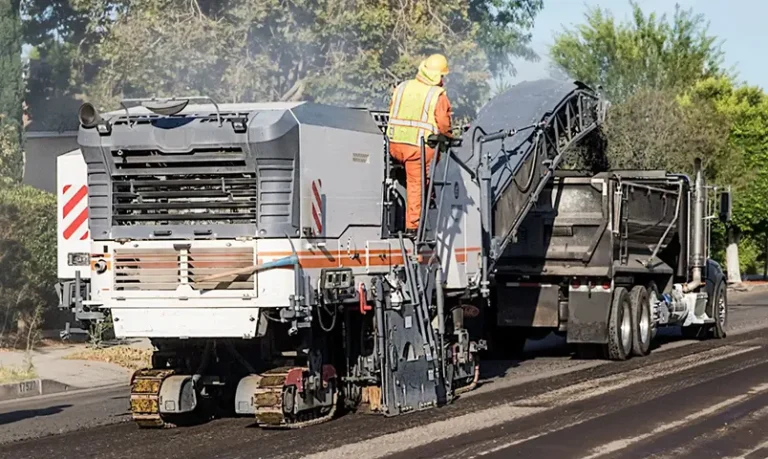
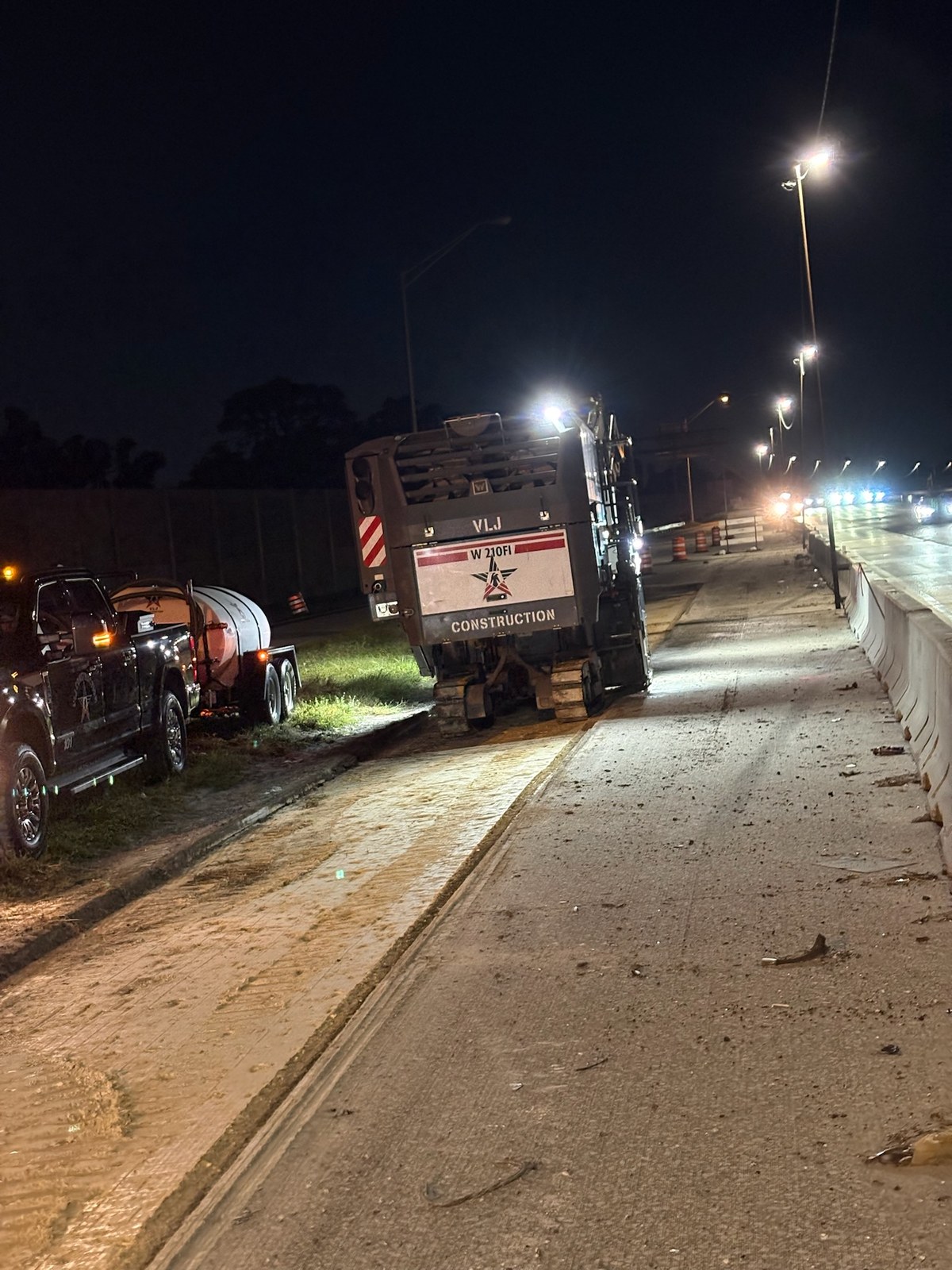
On a corridor carrying serious daytime volume, milling during business hours is often not an option. The lane closure that would be routine at two in the morning is unacceptable at two in the afternoon, and the agency's traffic restrictions say so. So the work moves to nights.
Night milling is a well-established way to do this, and it works. It is also not simply the day operation with the lights on. Several things change at once, and the projects that go smoothly are the ones that planned for the changes rather than discovering them.
Lighting is a production issue, not just a safety one
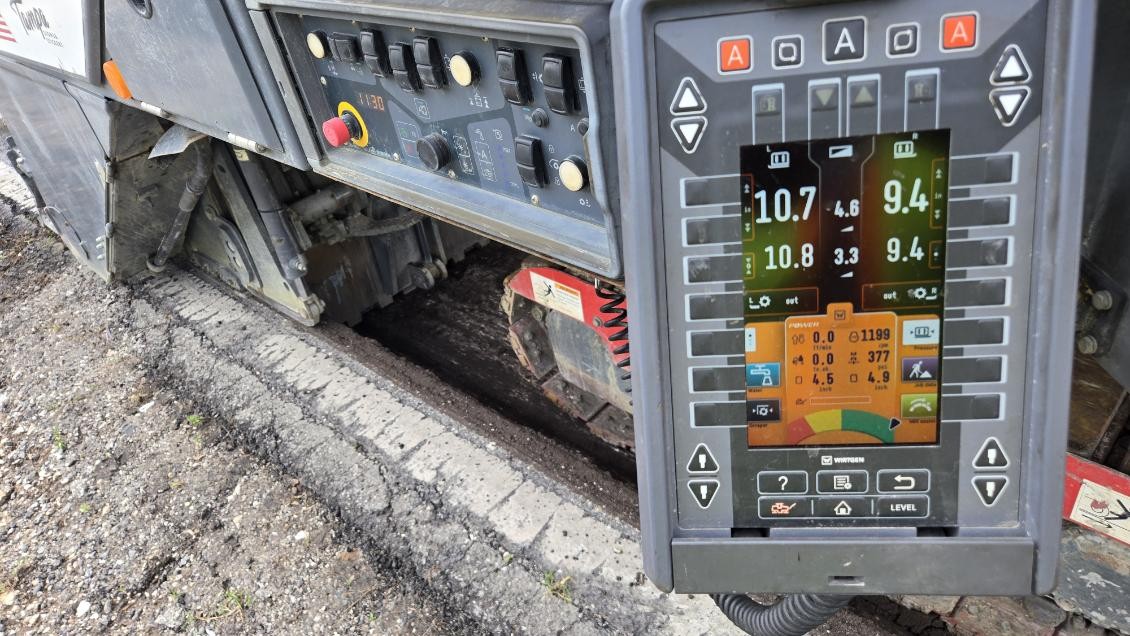
The obvious requirement is enough light to work safely. The less obvious one is that the operator has to be able to see the cut — the texture of the milled surface, the edge of the pass, the transition at the joint. Quality control on a milled surface is substantially visual, and lighting that is adequate for walking around is not necessarily adequate for judging a cut.
Poorly placed lighting creates its own problems. Fixed towers aimed across the work area throw long shadows from the machine itself, and glare into the travel lane is a hazard for passing traffic and a complaint from the agency. Lighting that moves with the operation, aimed to wash the surface rather than into eyes, is worth the setup time.
The window is shorter than it looks
A permitted closure from ten at night until five in the morning is seven hours on paper. It is considerably less in practice. Setting up maintenance of traffic takes time at the start and removing it takes time at the end, and both are non-negotiable. Equipment has to be walked in and walked out. The surface has to be swept before the lane reopens.
The productive milling window inside a seven-hour closure is often four to five hours. Planning production against the permitted hours rather than the working hours is the single most common way a night schedule slips, and it compounds: a shift that falls short leaves lane to catch up on, and the closure length is fixed.
Trucks have to be there, and they have to be quiet
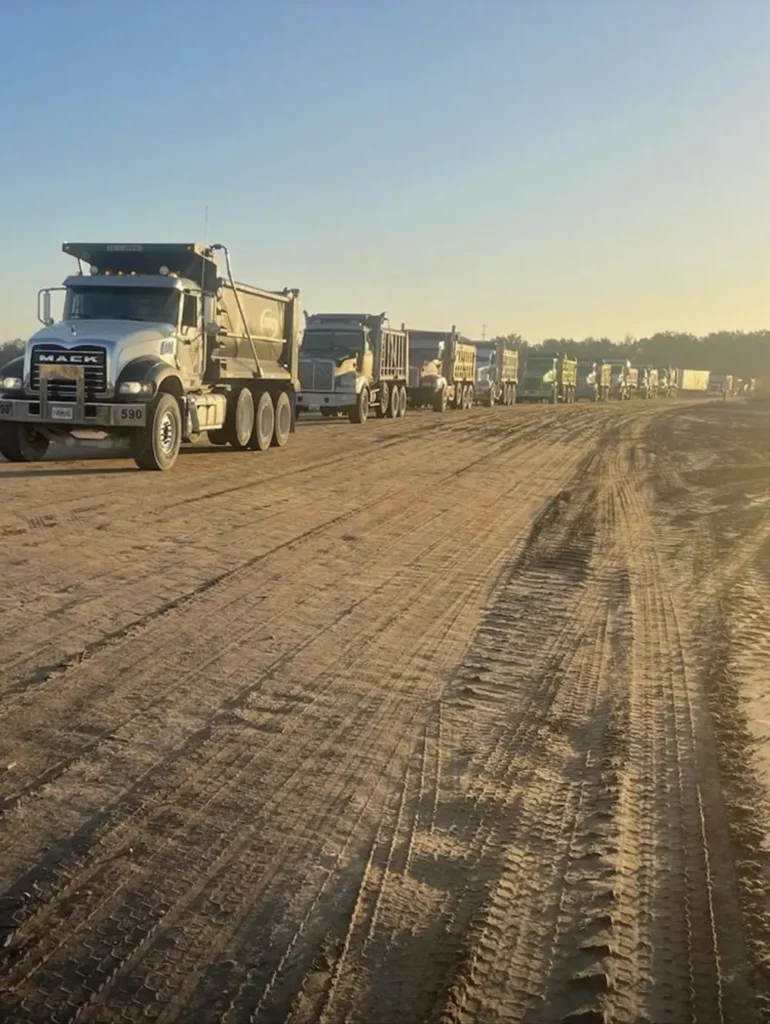
A milling machine on a night closure with no truck under the conveyor is burning the most expensive hours on the project. The truck count has to match the production rate, and the cycle time at night is genuinely different — traffic is lighter, which helps, but disposal sites and plants may be closed, which can mean a longer haul to wherever is open.
Noise is the constraint that catches people out. Residential frontage along an urban corridor means backup alarms, tailgates and engine brakes at three in the morning become complaints, and complaints become restrictions on the next phase. This is worth discussing with the operators before the first shift rather than after the first phone call.
VLJ coordinates a network of tri-axle dump trucks operated by independent owner-operators through our dispatch team, and night work is planned with dispatch in advance precisely because the pool of operators available and willing to run nights is smaller than the daytime pool. It is not a call to make at seven in the evening.
Crews are not interchangeable across shifts
Night work is harder on people. Visibility is worse, fatigue accumulates differently, and the margin for error around moving equipment is smaller. Crews that rotate constantly between day and night schedules do not adapt; crews that stay on nights for the duration of a phase do.
VLJ employs its milling crews directly, which makes this a scheduling decision rather than a staffing negotiation. Keeping the same people on the same corridor through a night phase pays for itself in consistency — they know the drainage, the driveways, the awkward transition at the intersection, and where the light needs to be.
The handover matters most
The lane reopens to morning traffic regardless of how the shift went. That deadline is real, and everything about a night operation should be organised around it: sweeping complete, transitions signed, edge drops addressed, devices removed, and the surface in a condition that will carry traffic until the next shift.
A night milling operation is judged by what drivers find at six in the morning. Everything else is process.
If you have a corridor that has to be milled under traffic restrictions, get in touch — the sequencing is worth talking through before the permit conditions are fixed.