Milling depth is one of those project decisions that looks simple on a bid sheet – “mill 2 inches” or “mill 4 inches” – but actually drives cost, schedule, and pavement performance for years afterward. Florida primes and owners scoping resurfacing projects have a real choice to make, and the math is worth working through.
Here’s how we think about milling depth on the projects we support.
The two basic approaches
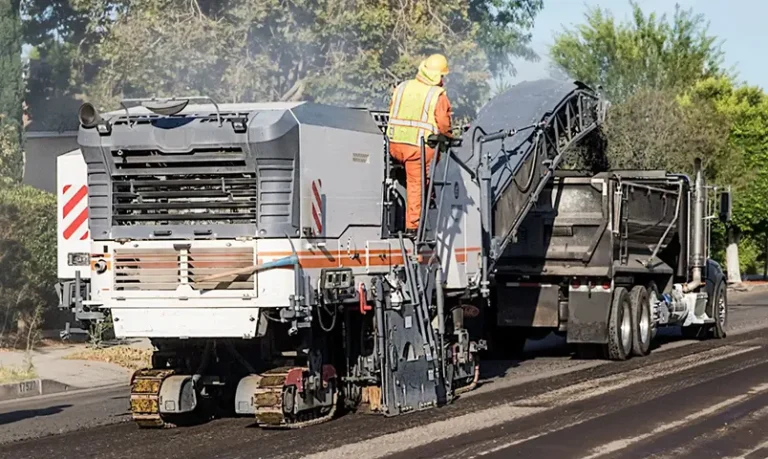
Profile milling (typically 1.5-2.5 inches) – removes the surface course only. Used when the existing pavement structure is sound and you’re refreshing the wearing surface. Lower cost, faster schedule, less disposal volume.
Full-depth milling (typically 3-5+ inches) – removes the surface and intermediate courses, often down to the base. Used when the existing pavement has structural issues (alligator cracking, base failure, settlement) that won’t be fixed by a surface treatment. Higher cost, longer schedule, much more disposal volume.
The choice depends on the existing pavement’s condition, the project’s design service life, and the budget.
What drives the cost differential
For a typical Florida resurfacing project, the unit cost differential between 2″ and 4″ milling is significant, but the real cost driver isn’t the milling itself – it’s everything downstream:
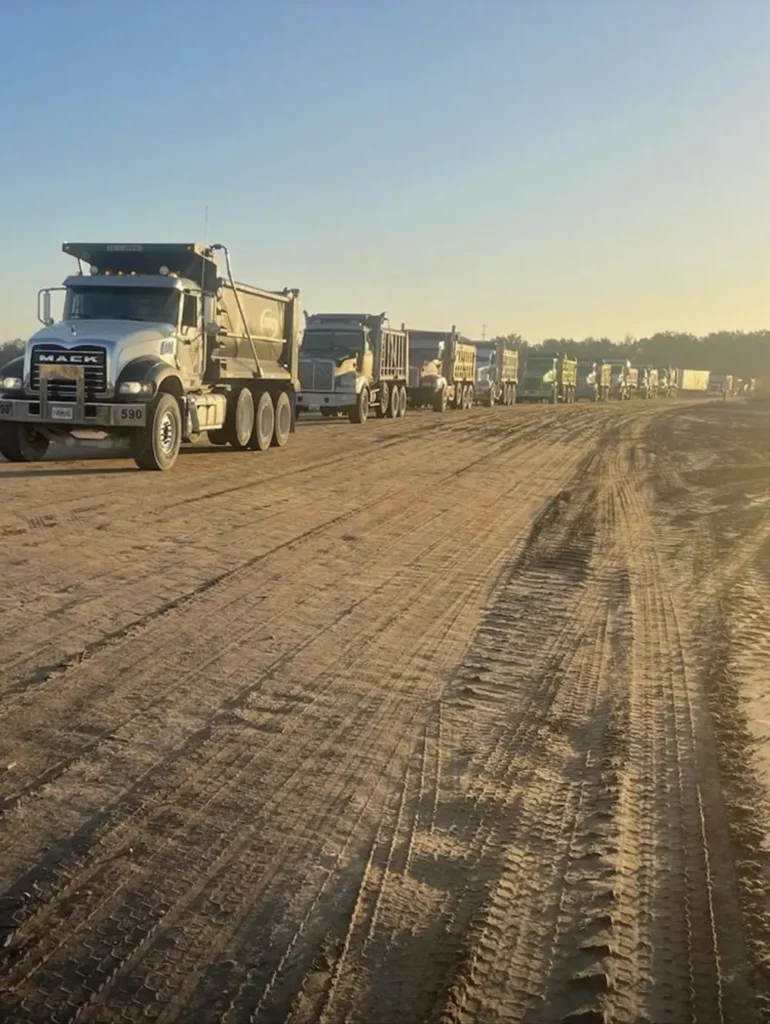
- Cuttings disposal or recycling. 2″ mill at 80 lb/sf produces ~660 tons of recycled asphalt per acre. 4″ mill produces ~1,320 tons. Haul cycles, tonnage credits at the RAP plant, and tipping fees all scale.
- Replacement asphalt tonnage. 2″ mill = 2″ replacement = same asphalt tonnage. 4″ mill = 4″ replacement (often split into intermediate + surface lifts) = more asphalt, more days of paving, more compaction passes.
- Schedule duration. Full-depth work takes 2-3x the production days of profile milling for the same area, which affects MOT cost and owner inconvenience.
- Base stability risk. Full-depth milling exposes base material. If the base is wet or unstable, you may discover the need for additional repair (cement stabilization, base replacement) that wasn’t in the bid.
When profile milling is the right call
- Existing pavement is structurally sound (no alligator cracking, no rutting > 0.5 inch, no base failure indicators)
- Surface course is between 5-10 years old and showing surface wear only
- Owner needs a defined service life of 7-10 years (typical surface course life in FL with proper surface maintenance)
- Schedule and MOT cost favor the faster execution
When full-depth is the right call
- Visible alligator cracking, multi-layer cracking, or structural failure indicators
- Pavement age 15+ years with no record of structural rehabilitation
- Existing surface elevation issues (drainage problems) that need to be corrected during the resurfacing
- Owner needs a defined service life of 15-20 years
- Budget supports the higher upfront cost in exchange for the longer life
The middle ground
For many Florida arterial reconstruction projects, the answer is deeper-than-profile, shallower-than-full. Mill 3-3.5 inches to remove the surface and most of the intermediate course while leaving a stable base. This catches more of the existing distress than a pure profile mill but doesn’t carry the risk and cost of full-depth.
This is often the best price-performance call on county-road resurfacing projects with moderate distress.
Practical considerations for Florida
- Wet base risk. Florida’s high water table and summer rainfall mean exposed base material can saturate fast. Schedule full-depth work for dry-season windows (November-April) when possible.
- RAP credit. Most Florida milling produces RAP (Reclaimed Asphalt Pavement) that has resale value at recycling-equipped asphalt plants. Verify your project’s RAP disposal/credit plan; the value can offset 10-20% of milling cost.
- Sub-grade utilities. Old utilities (water, sanitary, drainage) buried under the pavement can surface during full-depth work. Pre-mill utility location is worth the cost on any project where you don’t have confidence in as-builts.
How VLJ supports milling scope
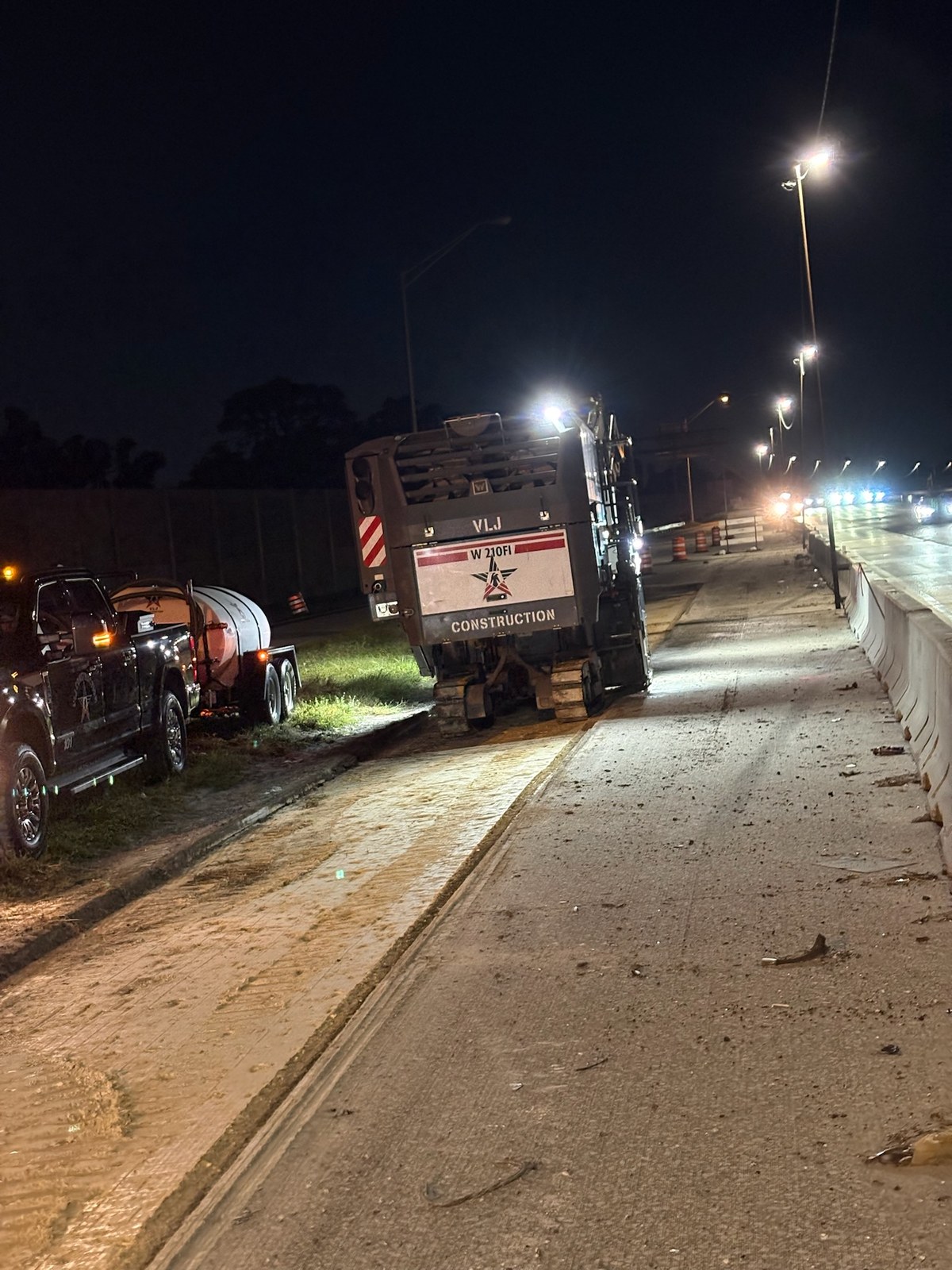
VLJ Construction Services operates milling equipment across Florida and supports primes on both profile and full-depth scopes. For projects where the depth question is open, we’re glad to walk through the trade-off in advance – usually the right answer becomes clear once we look at the existing pavement core samples.
If you’re scoping a Florida resurfacing project and want to talk through milling depth, reach out.
—
Related Resources
- Our Services
- What Are the Different Types of Asphalt Milling Services
- Different Types of Asphalt Milling Services
Scoping a Florida milling project? Talk to VLJ Construction Services.