September is the peak of the Atlantic season, and the pattern after a significant storm is consistent. Roads need clearing, damaged pavement needs removing, and every contractor in the affected region reaches for trucks in the same 48 hours. Capacity that felt abundant in August becomes the binding constraint overnight.
The contractors who move first are rarely the ones who called first. They are the ones who had a relationship in place before the storm.
Why capacity disappears so fast
Hauling is a regional resource. The trucks working a milling job in Hillsborough County are the same trucks that could be moving debris in Pinellas, and after a storm the demand curve for both spikes at once. Add road closures, fuel disruption and drivers dealing with damage to their own homes, and the effective capacity of a region drops at the exact moment demand peaks.
This is worth stating plainly because it shapes how a general contractor should plan. Post-storm hauling is not a market where price alone secures capacity quickly. It is a market where existing relationships, clear scopes and prompt payment history determine who gets trucks on Tuesday and who gets them the following week.
What the work actually involves
Post-storm hauling covers a wider range of material than routine construction work:
- Vegetative debris — the largest volume after most Florida storms, and the bulkiest per ton
- Construction and demolition material from damaged structures and pavement
- Sediment and washout material from shoulders, swales and drainage structures
- Damaged pavement where sections have to be removed before reconstruction
These do not mix. Most disposal sites and most reimbursement programmes require material to be segregated, and a load that arrives contaminated can be rejected at the gate. That turns a two-hour round trip into a four-hour one and costs a truck half a day.
Documentation is the job
For work that may be reimbursed, the paperwork is not administrative overhead — it is the deliverable. Load tickets, truck certifications, measured capacities, origin and destination, and time stamps all have to line up. A truck whose measured capacity does not match what it is being credited for creates a problem that surfaces months later during a review, long after the trucks have gone home.
The practical implication is that documentation discipline has to be established before mobilization, not improvised in the field on day one. Everyone involved needs to know what a valid ticket looks like and who holds it.
How VLJ approaches it
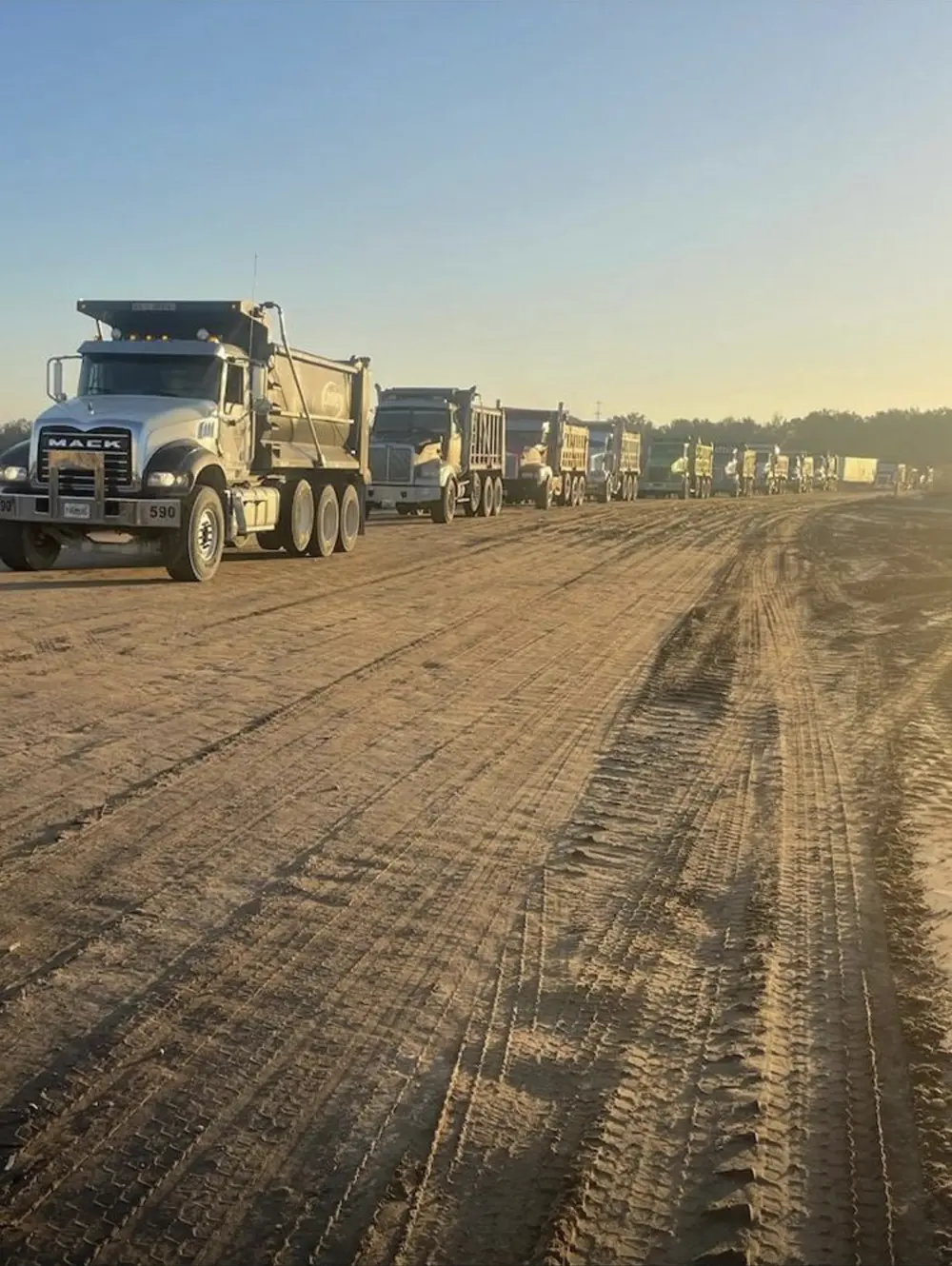
VLJ coordinates a network of more than one hundred tri-axle dump trucks operated by independent owner-operators, managed through our dispatch team. That structure matters after a storm for a specific reason: capacity can be scaled to the work rather than being fixed at whatever a single company happens to own. Dispatch is the coordination layer, matching available trucks to sites and keeping the paperwork consistent across operators who are not all working from the same yard.
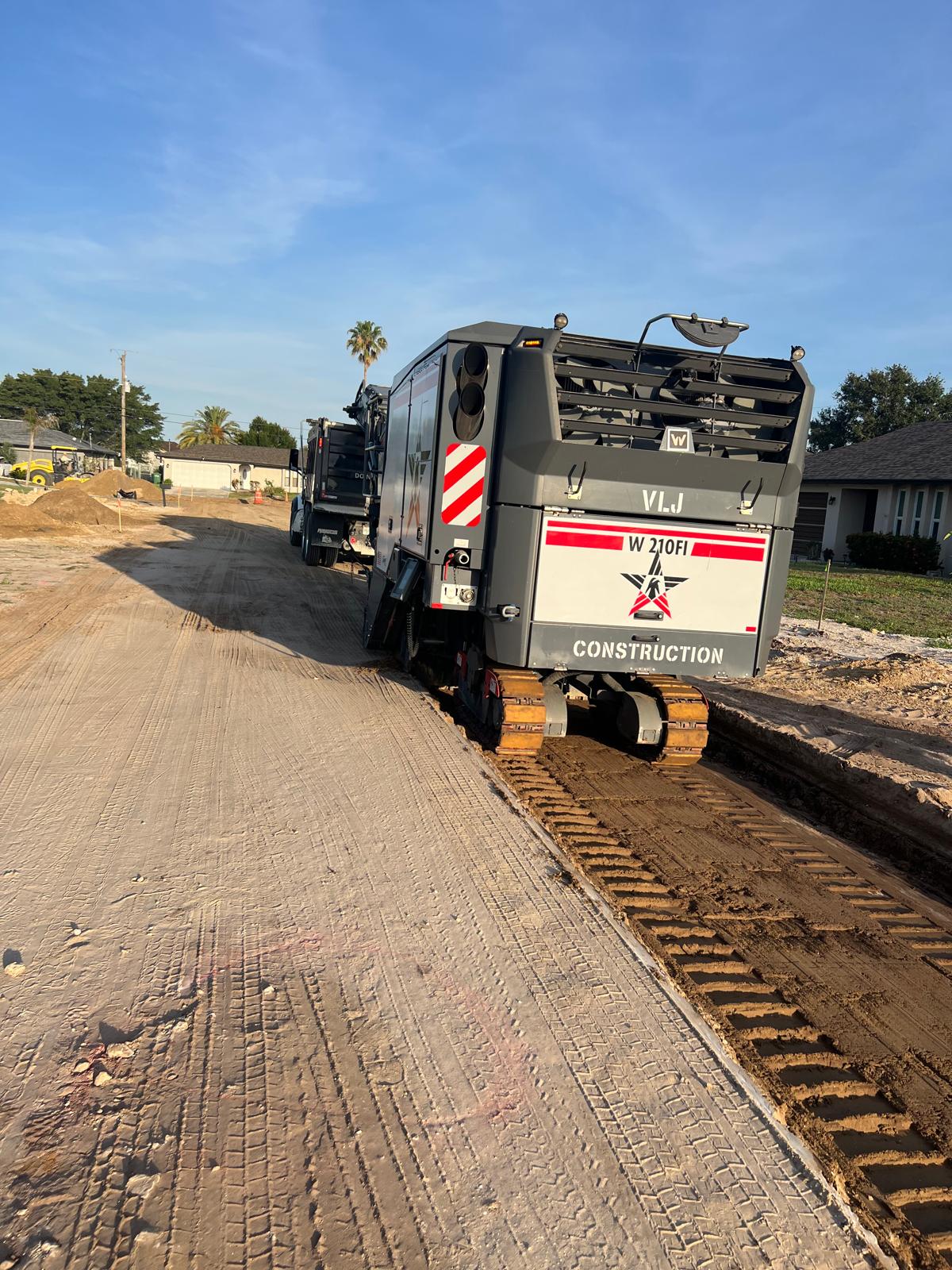
We work across Florida, with most of our work in FDOT Districts 1 and 7. Our milling equipment and crews are ours, which means when a storm response involves removing failed pavement rather than simply clearing debris, the cut and the haul can be sequenced together.
What to do before the next system
The useful preparation is unglamorous and takes an afternoon:
- Identify who you would call for hauling capacity, and confirm they know your projects
- Agree in advance what documentation you require and in what format
- Know your disposal sites, their hours, and what they will and will not accept
- Understand which of your active jobs would need securing first
None of this is difficult. It is simply much harder to do while the wind is still blowing.
If you want to talk through hauling capacity for the rest of this season, get in touch.