Recycled concrete aggregate – RCA – is one of the few sustainability initiatives in heavy construction that also reduces project cost. For Florida general contractors and municipal owners, the question isn’t whether to use it; it’s where, how, and how to keep the spec compliance clean.
This post walks through the cost math, the FDOT and county positions, and the practical sourcing considerations for using RCA on Florida public-works projects in 2026.
The cost case
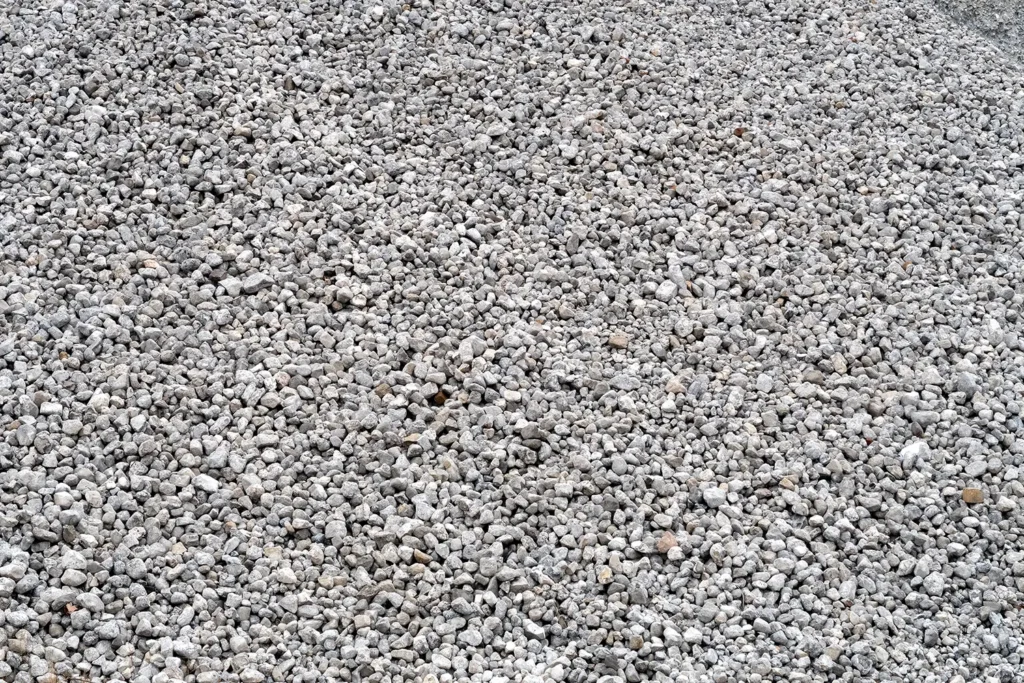
Virgin limerock base in central Florida currently runs about $14-18 per ton delivered, depending on quarry distance and trucking demand. Crushed RCA from a permitted plant runs about $9-12 per ton in the same market. On a 50,000-ton base course for a typical 2-mile resurfacing project, the swap is in the range of $200,000 – before counting reduced haul distances (RCA plants are usually closer to urban projects than limerock quarries are).
The savings shrink as you move further from a permitted crusher. They effectively disappear if your project is rural and the nearest RCA stockpile is more than 60 miles out.
FDOT’s position
FDOT Section 901 (Coarse Aggregate) and Section 911 (Soils) both permit recycled concrete aggregate when it meets the gradation, durability, and contamination limits in the spec. The full RCA-specific guidance lives in FDOT Standard Specifications Section 204 (Recycled Asphalt Pavement and Recycled Concrete Aggregate Base) – worth reading in full if you’re estimating an FDOT project with RCA base.
Key compliance points contractors miss:
- Sourcing. RCA must come from a producer enrolled in FDOT’s Producer Quality Control program with a Quality Control Plan on file. Not every crusher qualifies. Confirm before pricing.
- Reinforcing steel. RCA must be free of exposed rebar. The crusher’s process and the source material both matter; not all demolition concrete is suitable.
- LBR (Limerock Bearing Ratio). FDOT requires LBR testing on the finished base. RCA generally meets the standard but needs verified mix design.
- Maximum percentage. For base course, FDOT allows up to 100% RCA when the material qualifies. Most public-works projects we’ve seen end up using a blended 50-70% RCA / virgin material mix to hit specific LBR and gradation targets economically.
County and municipal positions
Florida’s larger counties (Hillsborough, Pinellas, Orange, Miami-Dade, Broward) generally accept FDOT-compliant RCA on county and city roads with no additional restrictions. Some counties have written sustainability preferences that effectively favor RCA bids when costs are within a few percent of virgin alternatives.
Smaller counties and rural municipalities are more variable. Check the specific bid documents – some require pre-approval of the RCA source before award, which can slow the bid process if you don’t have it lined up.
Practical sourcing in Florida
For projects in the I-4 corridor (Tampa Bay through Orlando), there are multiple permitted RCA producers within reasonable haul distance. The supply situation is harder in the panhandle and in southwest Florida south of Fort Myers. Plan haul distance carefully.
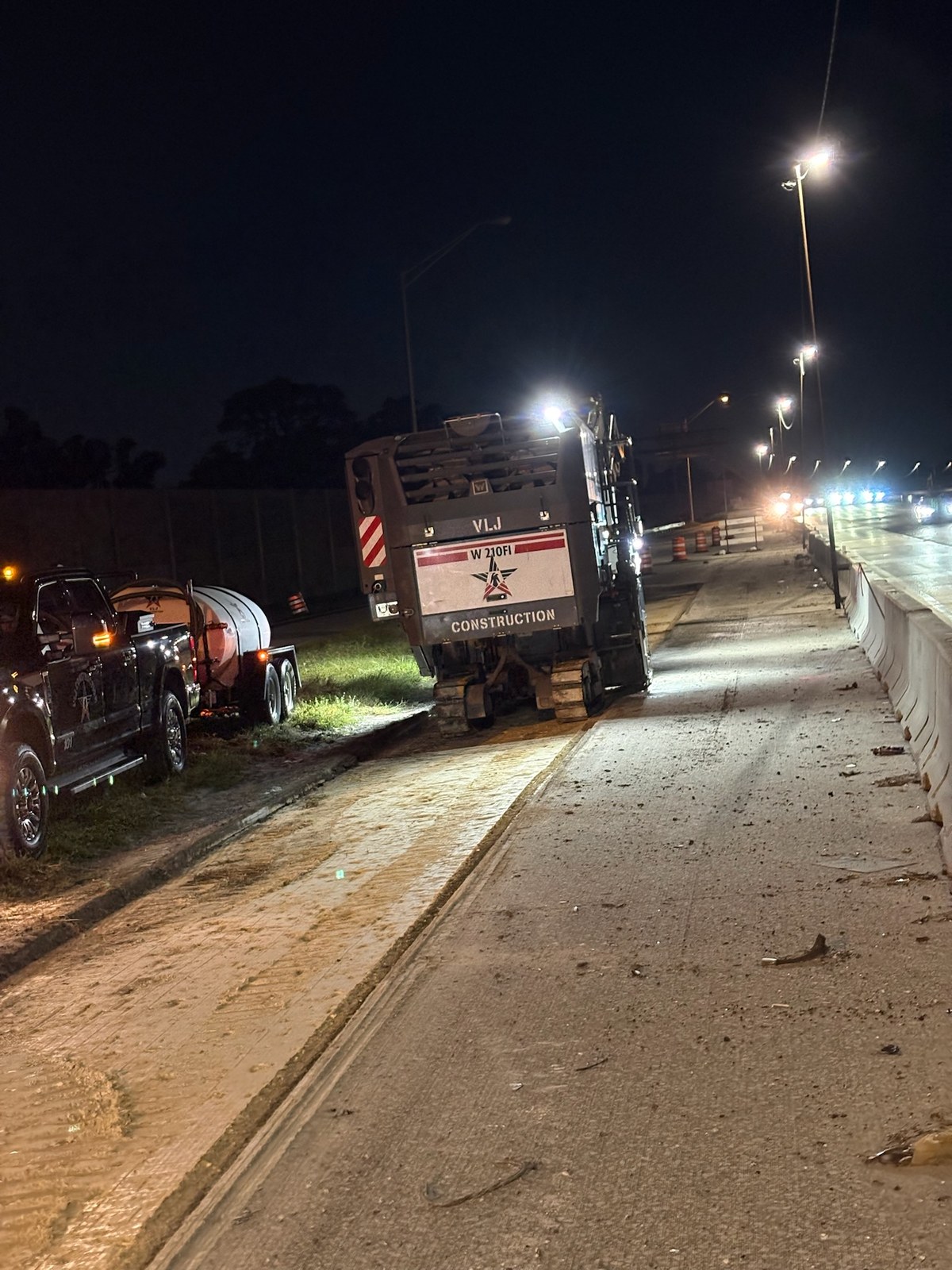
VLJ Construction Services operates concrete recycling as one of our service lines and supplies RCA from our own stockpiles for the projects we’re working. For primes and owners looking for an RCA source for a project we’re not on, we can often refer to producers we trust.
When NOT to use RCA
A few cases where virgin aggregate is still the right call:
- High-traffic interstate or major arterial mainline pavement (FDOT allows it but specifies tighter QC than most RCA producers can guarantee – virgin is usually less risky here)
- Projects in coastal counties where the source RCA may have chloride contamination from prior salt-water exposure
- Sub-grade or embankment work where the source material’s classification matters more than its cost
Getting started
If you’re bidding a public-works project in Florida and want to evaluate RCA in your base course quantities, two things to do early:
1. Pull the project’s bid specs and verify the Section 204 language (or the county equivalent) 2. Call a permitted RCA producer in your project area and ask about current stockpile inventory, gradation, and pricing
If you’d like to talk through an RCA strategy on a specific Florida project, reach out.
—
Related Resources
- Our Services – Concrete recycling, paving, milling, and hauling across Florida.
- How Concrete Recycling Reduces Your Project Costs and Environmental Impact
- Record-High FDOT Budgets Signal a Booming Future for Florida Road Construction
Bidding a Florida public-works project? Talk to VLJ Construction Services about RCA sourcing.